

Key facts
- Florida Senate President Jim Boyd, R-Bradenton, and House Speaker Sam Garrison, R-Fleming Island, said a special session is not needed to implement Amendment 31
- The amendment increases the homestead exemption.1
- Leon County School Board member Alva Smith raised concerns about the indirect impact on local schools and students2
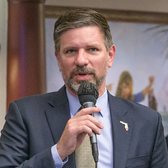
Florida’s new legislative leaders have said there’s no need for a special session to carry out Amendment 3, the property tax cut approved by voters this month.1
Senate President Jim Boyd, R-Bradenton, and House Speaker Sam Garrison, R-Fleming Island, said the amendment takes effect without lawmakers first passing legislation.1
“We believe Amendment 3 is self-implementing. It takes effect Jan. 1,” Boyd said.1
How Amendment 3 works
The amendment increases the state’s homestead exemption on property taxes that don’t pay for schools.1
The exemption is scheduled to rise from $50,000 to $150,000 in 2027 and then to $250,000 in 2028..1 Homeowners must have lived in Florida for five years before qualifying for the expanded exemption.1
What the cost looks like
The amendment is projected to cost local governments billions in revenue..1 Lawmakers plan to address the financial impact on cities and counties during the regular legislative session.1
State economists estimate the amendment will reduce local property tax collections by about $5 billion next year and almost $12 billion by 2031..1 Over five years, cities and counties are projected to collect almost $46 billion less, with county governments and Florida’s 100 largest cities expected to lose more than 20% of their property tax collections.1
Boyd said lawmakers believe Amendment 3 can take effect on its own and that any additional work can wait until the regular legislative session, which kicks off March 2, 2027.1
“We do have time in the regular session … to give it the time and attention it needs,” Boyd said.
Garrison pointed to another reason not to rush: The financial consequences won’t be the same everywhere.1
“It impacts all 67 counties differently,” Garrison said.
Garrison said this is the biggest fiscal challenge Florida has faced in a generation.1
Local impact on schools
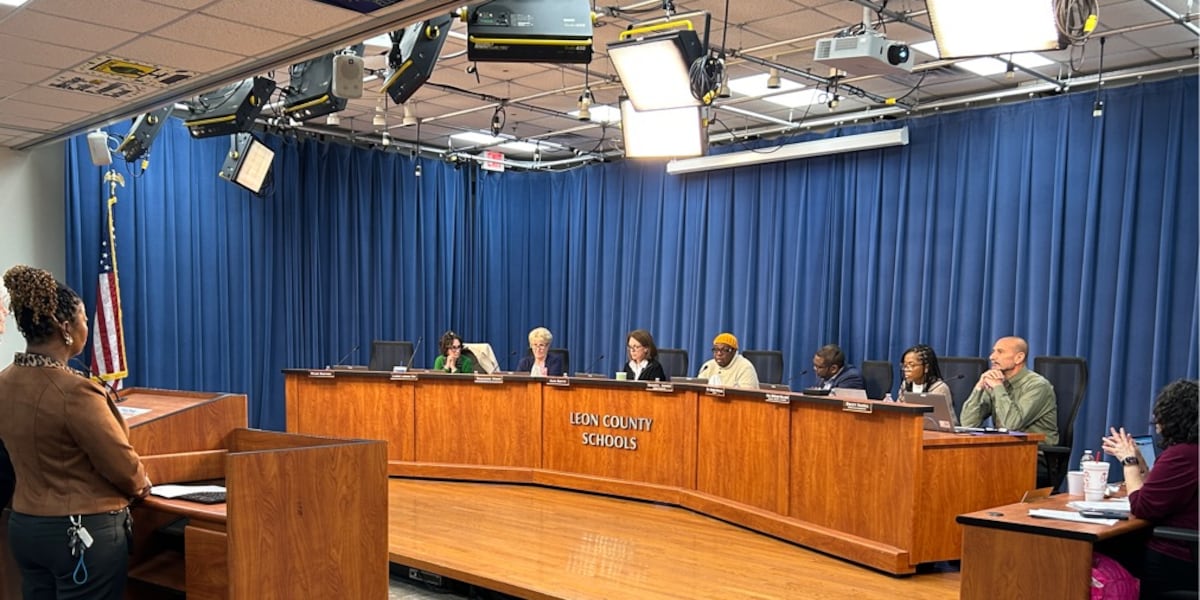
Leon County School Board members are looking into what the passage of Amendment 3 could mean for the district.2
The school board met Monday night for a workshop where board member Alva Smith raised concerns, saying Amendment 3 will indirectly impact local schools and students.2
Smith also pointed to the Children’s Services Council, funded by Leon County property taxes, which pays for after-school, summer and academic enrichment programs through partner nonprofits.2
Smith said, “But, my fear is that as they see their revenue decrease, they’re going to be looking for places to subsidize maybe some MOUs or some contracts that they have with providing their services, and that could be the school district.”
The council’s executive director, Cecka Rose Green, said no after-school programs are in danger of ending this year, but she said Amendment 3 will reduce the council’s revenue and they want to protect as much of that service as possible.2
Green said, “And we know that after school funding is very important. So, we understand that importance and are going to do out best to retain as much of that service as possible in line with what the council deems is the important focus for our funding in the next year.”
Green said the council’s board will review the proposed funding reduction early next year, with staff expected to know more in March and April.2
Lawmakers
Lawmakers are expected to take a closer look at the effects of Amendment 3 during their regular legislative session rather than returning to Tallahassee for a special session.1
Greater Naples Fire Rescue District is adjusting how it staffs some fire stations as the department prepares for the financial impact of Amendment 3.3